
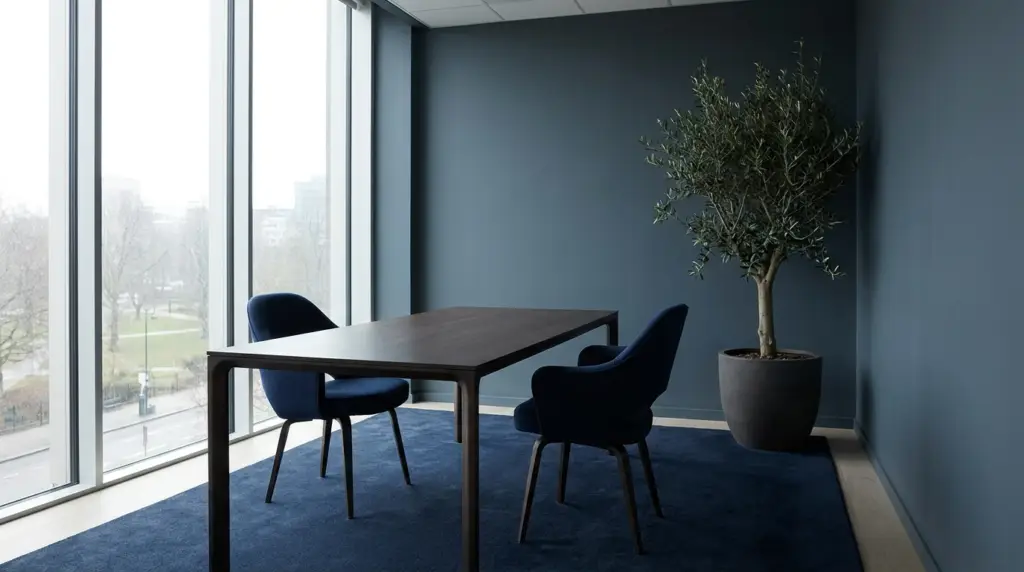
When people talk about autism, they often focus on traits, behaviours, or communication styles. What they rarely talk about — and what matters just as much — is the environment. Not metaphorically. Literally. The lighting. The noise. The layout. The smells. The textures. The movement. The unpredictability.
For autistic people, the sensory environment is not a backdrop. It is an active force that shapes comfort, stress, regulation, and access.
This blog explores why environments matter so profoundly — and why small, thoughtful changes can transform autistic experience more than any behavioural strategy ever could.
What We Mean by “Sensory Environment”
The sensory environment includes every form of sensory input in a space: lighting, noise levels, visual clutter, smells, textures and materials, temperature, airflow, movement, unpredictability.
“Environments designed without sensory awareness can unintentionally exclude autistic people.”
This is the truth many settings overlook. Exclusion doesn’t always look like a locked door. Sometimes it looks like fluorescent lights, echoing corridors, or a room that never stops buzzing.
Why Sensory Environments Hit Autistic People Harder
Autistic sensory processing is different — not defective, not inferior, simply different. These differences mean that environments designed for “typical” sensory systems can place enormous strain on autistic ones.
Lighting: Fluorescent lights can flicker at a frequency many autistic people detect, causing pain, distraction, or nausea.
Noise: Background noise that others filter out — humming lights, distant conversations, scraping chairs — may be intrusive or overwhelming.
Visual Clutter: Busy displays, movement, or chaotic layouts can make it difficult to focus or feel grounded.
Smells: Cleaning products, perfumes, food, or dampness can be overpowering.
Textures: Furniture, flooring, clothing, or materials can cause discomfort or distress.
These aren’t preferences. They’re neurological realities.
When Environments Create Overload
Sensory overload happens when the brain cannot process or filter incoming information. It’s not a meltdown waiting to happen — it’s a nervous system under siege.
“When sensory input becomes too intense or unpredictable, an autistic person may experience sensory overload.”
Overload can lead to: meltdowns, shutdowns, withdrawal, anxiety, physical pain, loss of speech, loss of functioning. These are not behavioural choices. They are physiological responses to an environment that has become too much.
The Hidden Cost of “Coping”
Many autistic people learn to endure sensory environments that overwhelm them. They mask distress, suppress reactions, and push through because expectations demand it.
But coping is not thriving. Coping is not sustainable. Coping is not inclusion. And coping comes at a cost — often a cost paid later, in private, through exhaustion, shutdown, or burnout.
When an autistic person appears to be “managing”, it often means they are working harder than anyone else in the room.
Small Environmental Changes Make a Big Difference
The good news? You don’t need to rebuild a building to make it more autism-friendly. Small, thoughtful adjustments can dramatically reduce sensory load.
Examples include:
- dimmable or natural lighting
- quiet zones or low-stimulus spaces
- noise-reducing materials
- predictable layouts
- reduced visual clutter
- scent-free policies
- soft furnishings
- clear signage
- control over personal space
These changes don’t just help autistic people. They help everyone.
Why the Environment Should Change — Not the Person
Too often, autistic people are expected to adapt endlessly to environments that remain rigid. They are taught coping strategies, emotional regulation, or “resilience”, while the sensory demands around them go unchallenged.
“This book treats the environment itself as adjustable — ethically, practically, and reasonably.”
This is the shift society needs. Not “How can we make autistic people fit the environment?” But “How can we make environments fit autistic people?” This is inclusion. This is dignity. This is respect.
The Sensory Environment Is Everyone’s Responsibility
Creating autism-friendly environments is not the job of autistic people. It is the responsibility of educators, employers, designers, architects, service providers, families, and communities.
And it starts with noticing what has been overlooked.
When we change the environment, we change the outcome.
About Autism — led by autistic trainer and speaker Stephen Simpson. Championing lived experience, challenging assumptions, and creating environments where autistic people can genuinely thrive. www.aboutautism.co.uk